
From satellite images to shared heritage protection.
The EAMENA project, a partnership between the universities of Oxford, Leicester and Durham, brings together archaeological research, satellite imagery and collaboration with international partners to record and protect endangered heritage across the Middle East and North Africa, while helping communities and heritage professionals build the knowledge and tools to safeguard it for the future.
From hundreds of kilometres above the Earth, traces of the past can be remarkably clear.
Satellite images that once could show little more than fuzzy shapes can now reveal outlines of structures, roads and archaeological landscapes. Dr Bill Finlayson OBE, Project Director of Endangered Archaeology in the Middle East and North Africa (EAMENA) at the University of Oxford, recalls looking at one image and recognising the tent of a Bedouin friend; he was fairly sure the small dark figure beside it was his friend walking outside.
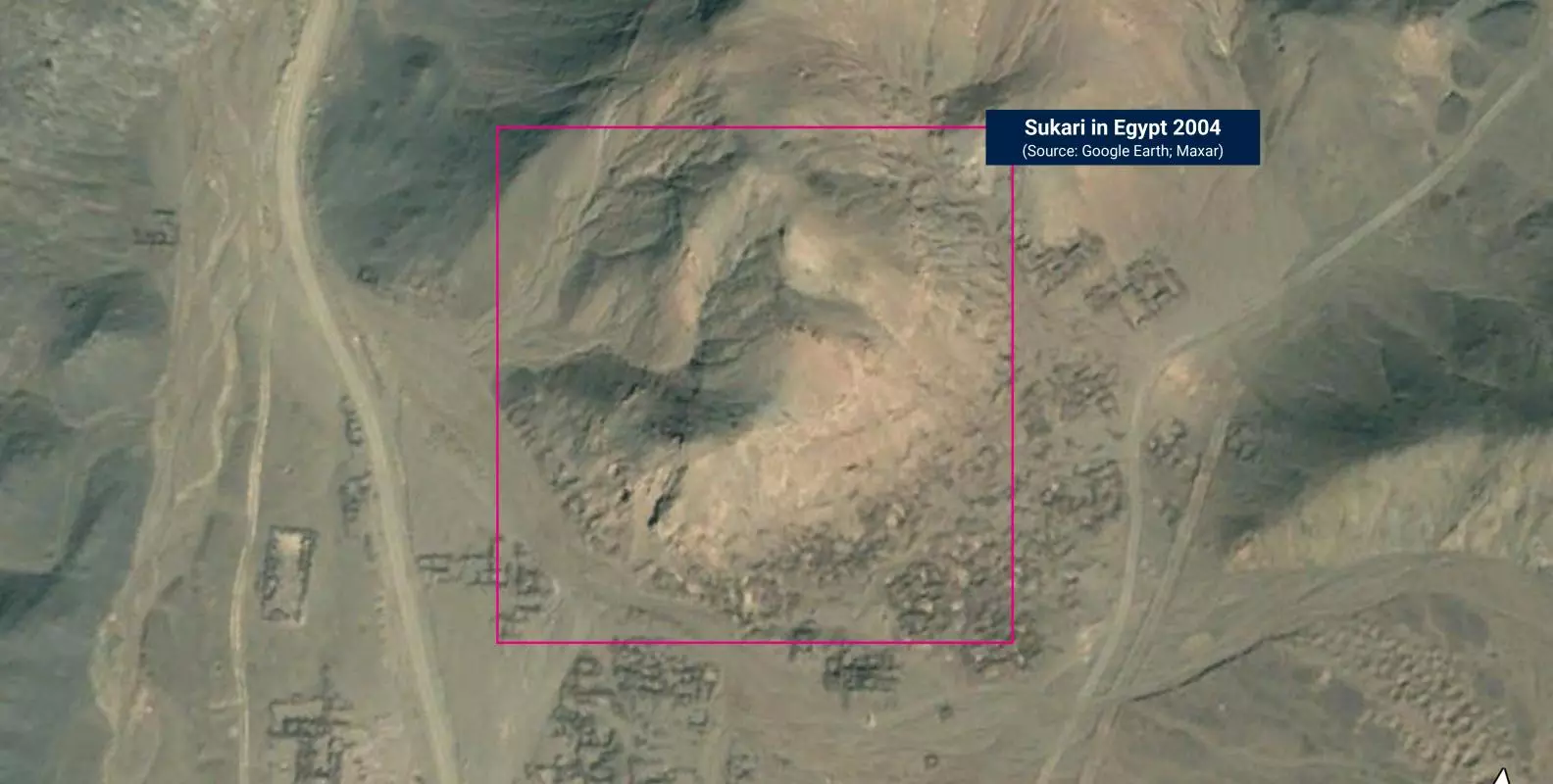
For archaeologists, that increasingly detailed view from above has transformed what can be recorded, particularly in places that are difficult or dangerous to reach. Shadows on images can suggest the height of a surviving structure. The changes in soil colour can indicate what has disappeared from the surface. And images taken at different points in time can reveal what has changed at a site and the landscape around it.
‘The thing that made our work possible in the first place is the use of satellite imagery,’ says Bill. Crucially, much of that imagery is freely available, making it possible not only to study archaeological sites remotely, but to develop methods that can be used without access to expensive specialist data.
Access to the imagery was fundamental to EAMENA when the project began back in Oxford in 2015. At the time, images of the deliberate destruction of archaeological sites such as Palmyra by ISIS had given a new urgency to questions about how cultural heritage could be documented and protected. Digital heritage management across the Middle East and North Africa was also uneven – while some countries had established systems, others had little to no digital infrastructure for maintaining a record of their archaeological sites and their condition.
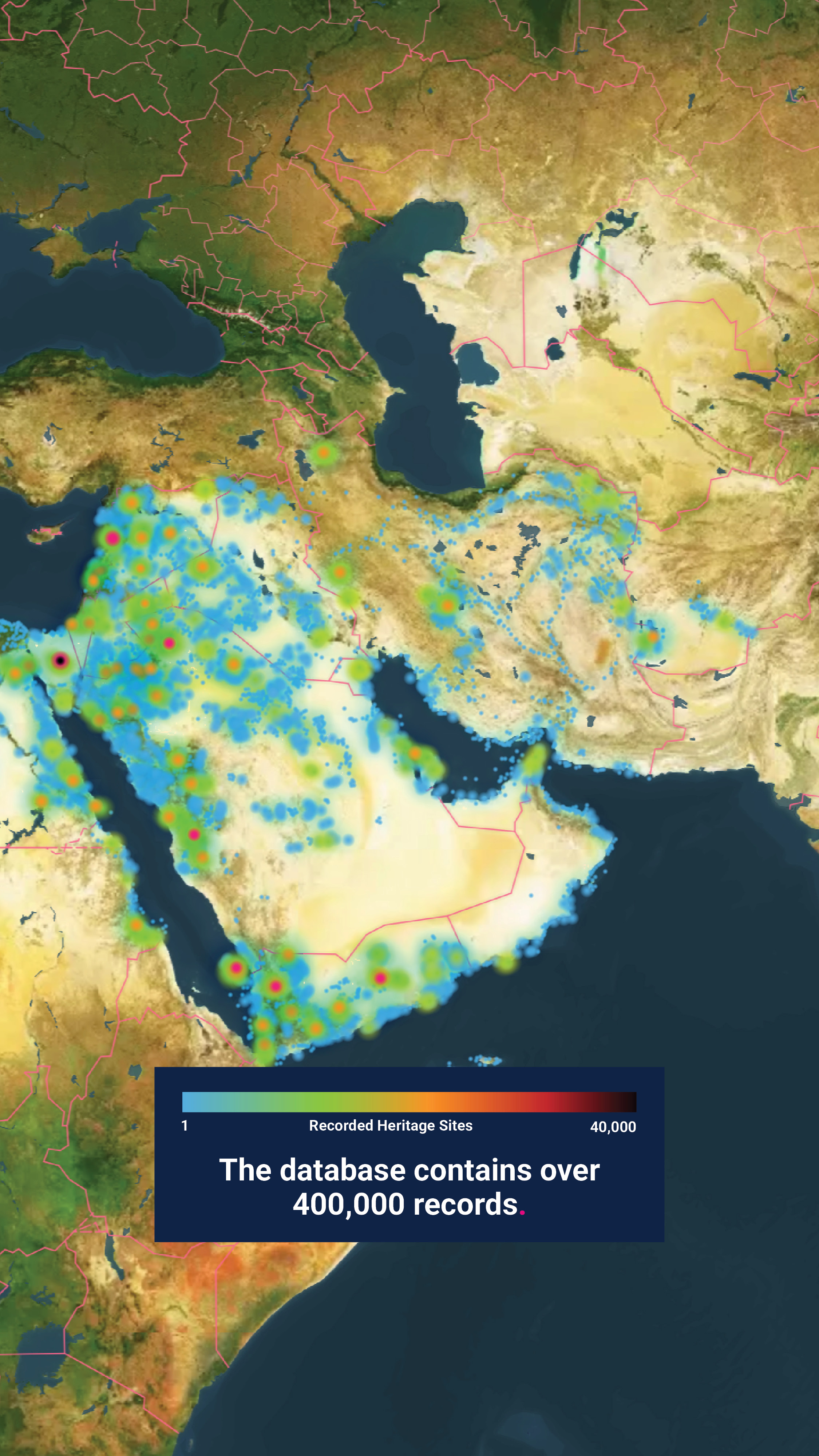
EAMENA, which is sponsored by the Arcadia Fund and the British Council Cultural Protection Fund in partnership with the Department for Culture, Media and Sport set out to build a record across the vast regions of the Middle East and North Africa, drawing on not only satellite imagery but also decades of historic photography. Today, the database contains over 400,000 records that document archaeological sites, their condition and the threats they may face.

Being able to study an archaeological landscape without setting foot on it brings enormous possibilities, but it can also raise more questions.
Satellite imagery can cross borders and reach places where traditional fieldwork would otherwise be impossible. The heritage it reveals belongs within the countries and communities that have their own priorities and systems for protecting it.
Bill is candid about EAMENA’s early days. For a short period, he says, the project ‘looked very western’, beginning at Oxford and run through UK universities such as Durham and Leicester. As the project developed, the model too began to change. Support from the Cultural Protection Fund allowed EAMENA to work increasingly with heritage agencies across the Middle East and North Africa. The work moved beyond recording sites towards developing local on-the-ground expertise and systems to enable people to monitor and manage their own archaeological landscapes.
Rather than taking the same programme from country to country, the team spoke to heritage authorities about what they needed. Training was developed around the priorities that were needed – some wanted support to develop their own database while others were interested in satellite imagery or Geographic Information Systems (GIS).
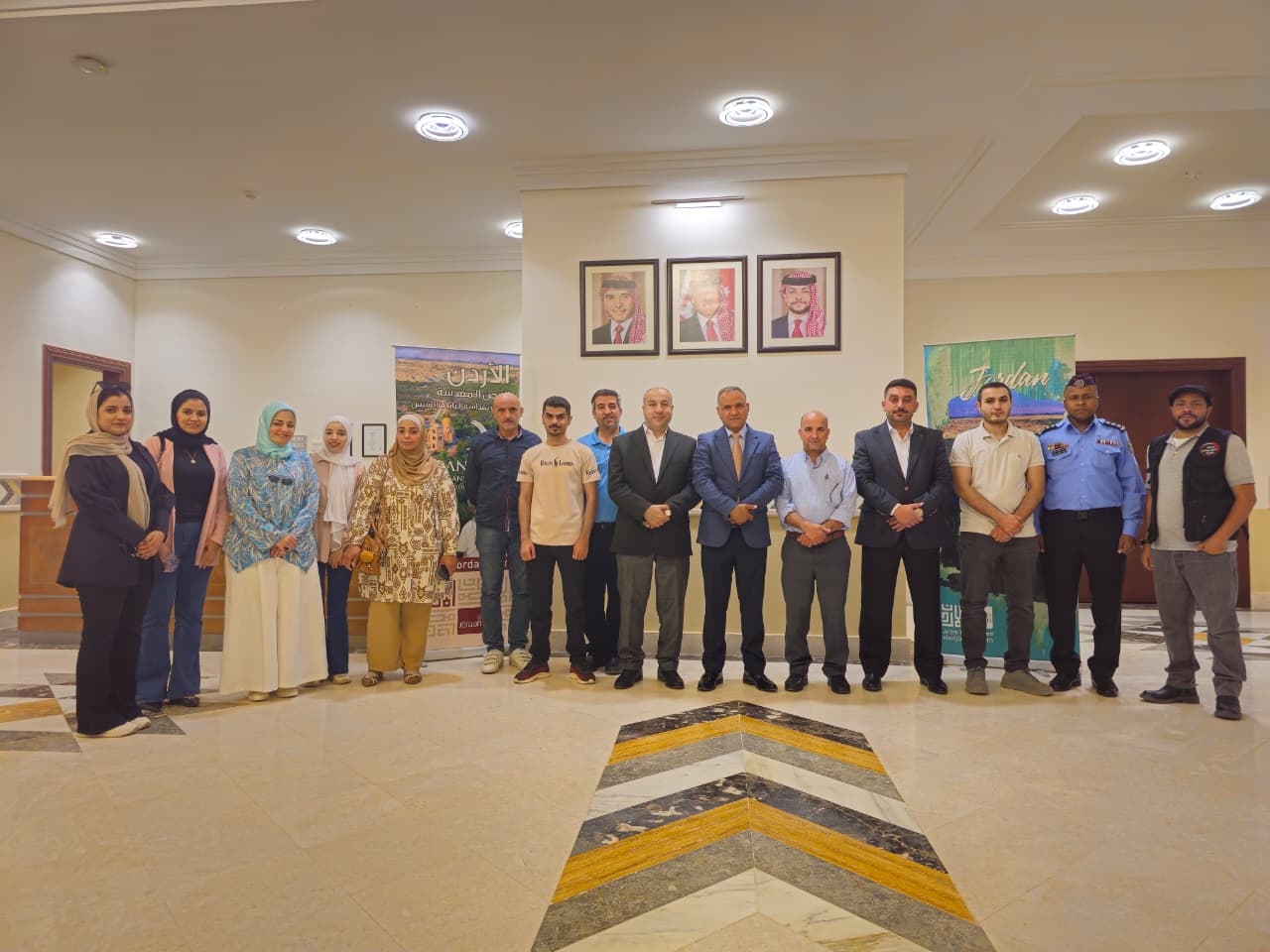
For Kristen, this shift changed the direction of the project. Remote sensing remained an important tool, but the work became increasingly ‘people-focused’, shaped by relationships with archaeologists, heritage professionals and communities within the region. In Syria, where the political situation made it difficult to work directly with national heritage agencies, the team adapted again, supporting Syrian academics, archaeologists and civil society groups to document and monitor heritage sites in ways that would contribute to wider records.
Elsewhere, partnerships began to bring heritage into conversations far beyond archaeology. In the Kurdistan Region of Iraq, EAMENA has been working with the General Directorate of Antiquities and Heritage to develop a heritage database. At a workshop in Erbil, heritage professionals were joined by university researchers and representatives working in areas including urban planning, transport, and agriculture to discuss how archaeological information could inform decisions about the use and development of the landscape.
This exchange in knowledge works in both directions. In Jordan, heritage specialist Haifaa Abedalhaleem has worked with EAMENA on research into heritage and climate change, including the development of an assessment toolkit and policy recommendations. She describes Oxford’s contribution as bringing academic and scientific expertise that adds weight to research when it is presented to governments and other agencies, while the collaboration itself creates opportunities to test ideas and learn from expertise on the ground.
Haifaa AbedalhaleemExchanging knowledge has enriched the studies.
This information has become central to what EAMENA is – a project that began assembling information about endangered archaeology, but which increasingly connects that information with the people making decisions about what happens next. Decisions, however, are rarely straightforward. They are made in landscapes where archaeological sites sit alongside expanding cities, farmland and infrastructure; and where conflict and a changing environment places further pressure on what is already there.

The destruction of archaeological sites during a conflict is often what brings endangered heritage sites into the public view.
This was partly why EAMENA was founded and remains core to the project’s work, but conflict is only one part of the picture. Across the Middle East and North Africa, archaeological sites are also being reshaped by the pressures of life: expanding cities, new roads and infrastructure; agricultural changes; and the effects of an ever-changing climate.
‘The EAMENA project is about heritage under threat, but it’s heritage not only impacted by conflict, but also by climate change, development and these have cascading effects, it’s all interconnected,’ says Haifaa. ‘The more threats you have, the more fragile these sites are to changes.’
The interconnection is central to the challenge: a site weakened by conflict may become more vulnerable to erosion; changing rainfall patterns can affect agriculture, which in turn can alter how land is used; expanding settlements and infrastructure can place new pressure on archaeological remains that have survived for centuries.
Conflict
A site weakened by conflict may become more vulnerable to erosion.
Climate Change
Changing rainfall patterns can affect agriculture, which in turn can alter how land is used.
Development
Expanding settlements and infrastructure can place new pressure on archaeological remains that have survived for centuries.
Agriculture
Grazing, irrigation and cultural expansion moves and breaks artefacts. Animals can also cause damage to structures, increasing the likelihood of collapse.
Looting
Illegal excavation by digging of illegal holes on a site, usually to loot and sell any objects found.
Bill says that, in the project’s early years, many people assumed conflict would prove to be the dominant thread. What EAMENA's records showed instead was that the scale of damage caused by development, including agricultural expansion, infrastructure changes and rapid urban growth was greater.
This presents a different kind of challenge. Roads, housing, reservoirs and agricultural infrastructure may be necessary, but they can also damage archaeological remains. EAMENA’s role is not to argue that development should simply stop; it is to give heritage professionals better knowledge about what is at risk, and how important this may be.
Dr Bill FinlaysonCultural heritage protection isn’t all about just stopping things
A comprehensive record allows heritage professionals to see an individual site in a wider context. If it is the only known example of a particular type of feature, there may be a stronger case for protecting it. If many similar examples survive elsewhere, recording the site before development progresses may be a more balanced response. Just as importantly, having that information readily available allows archaeologists to take part in planning decisions early enough to make a difference.
Conflict allows less room for this kind of negotiation. Bill describes colleagues using satellite imagery to currently monitor Gaza and, in the past, sites such as Syria, where access on the ground is extremely difficult and archaeological sites have been caught up in the widespread destruction. In circumstances like these, documentation can become a way of ensuring there is evidence of what once existed and what has since happened to it.
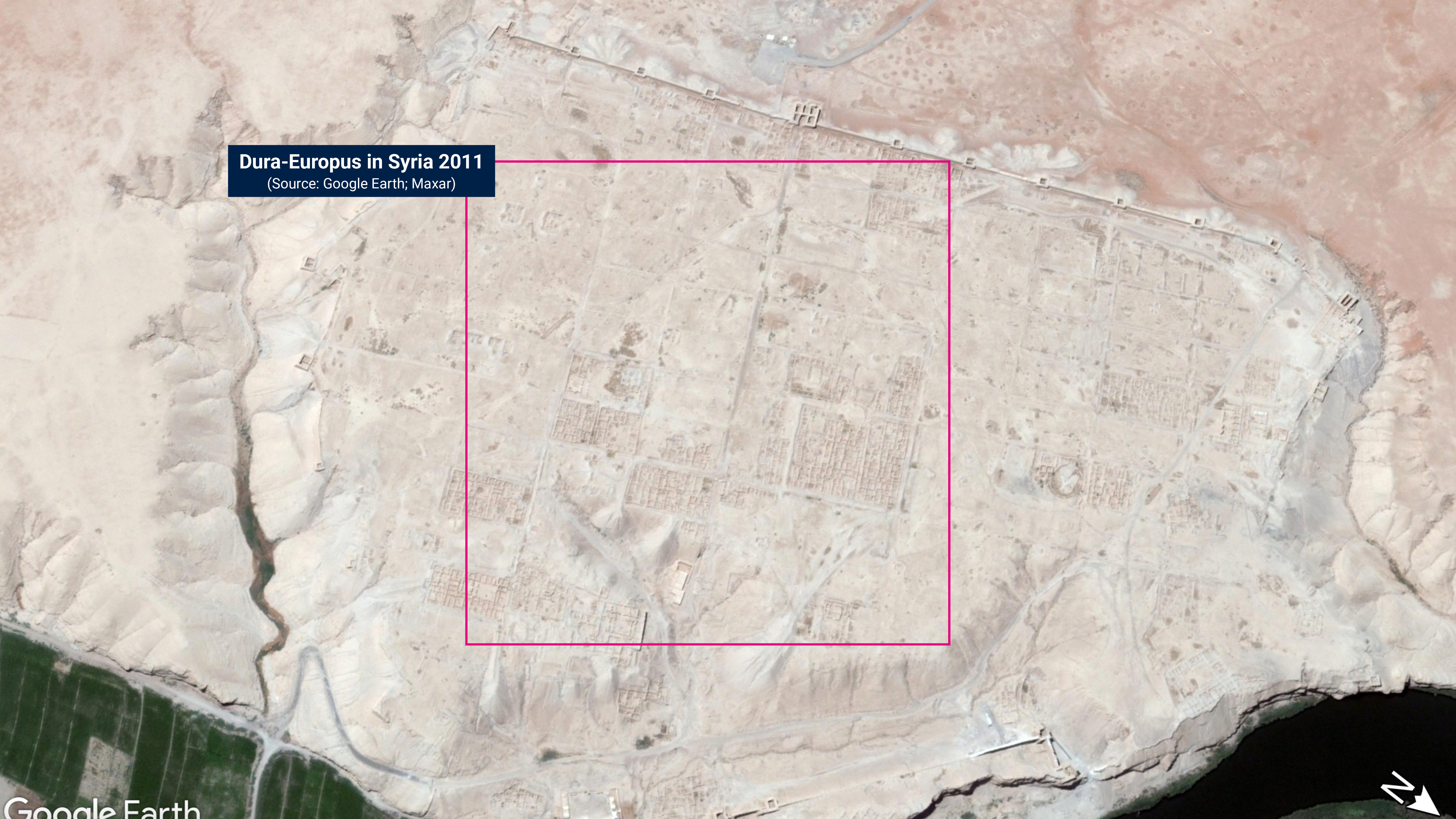

Kristen makes the distinction between threats that arrive suddenly and those that accumulate over time. Conflict and disaster can cause rapid destruction, while agriculture, development and environmental changes may gradually ‘chip away’ at a site. EAMENA’s challenge is to develop tools and expertise that can respond to both.
Climate change increasingly damages heritage directly through flooding, erosion and changing environmental conditions, while also altering agriculture and land use around the site. In Jordan, EAMENA’s work with Haifaa and other partners is not only looking at how heritage is being affected, but what the landscape and communities living within a heritage site can reveal about the ever changing environment.
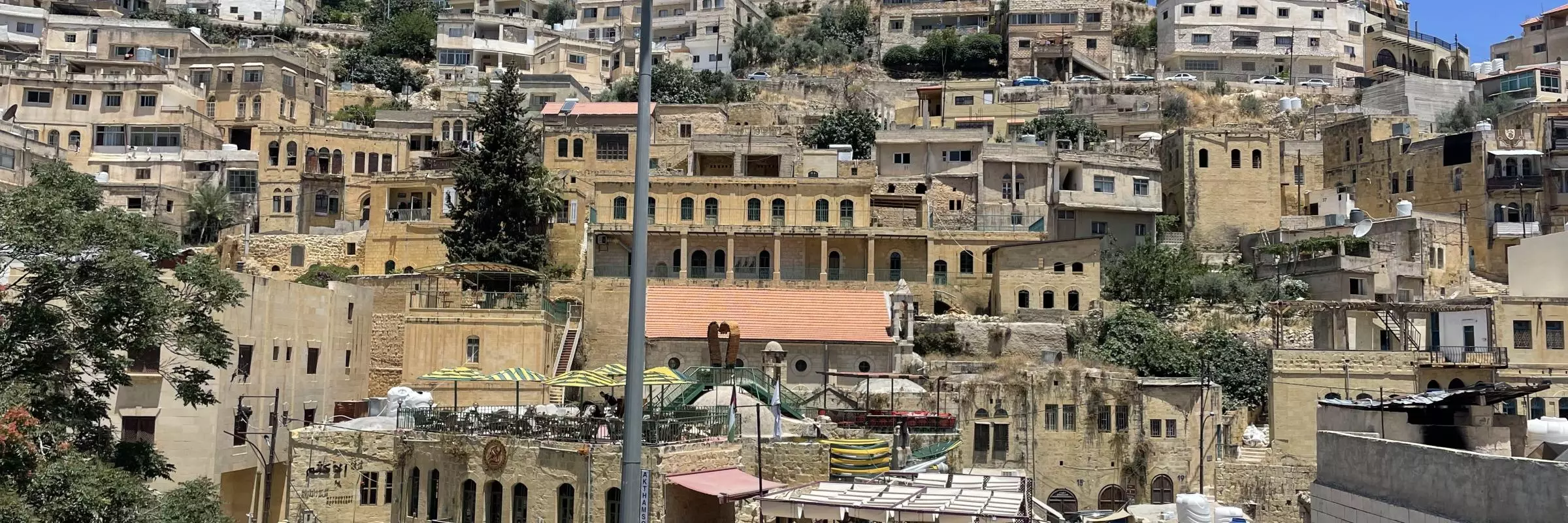
Climate change is altering the conditions in which historic places have survived.
But for EAMENA and its partners, understanding the effects means looking beyond temperature changes and rainfall alone. It also means asking how the landscapes have been used, how communities have adapted to them, and what knowledge has been gathered over generations.
Haifaa, who works with EAMENA on heritage and climate projects in Jordan, argues that scientific projections and community observations need to be considered together. Changes may be visible in the landscape long before they are easily captured in a single set of statistics: farmers alter crops as heat and water availability change and seasonal practices shift as built-up areas expand, all affecting how water moves through a place.
Haifaa AbedalhaleemHeritage gives us knowledge of our environment
The relationship between heritage and climate is particularly visible in sites such as Petra, where changes to rainfall are one of the large pressures facing archaeological sites. The issue is not necessarily that more or less rain falls, but that the rain that does fall can become concentrated into shorter periods, increasing the risk of flash flooding. At sites containing vulnerable archaeological material, this increases the risk of serious damage.
The landscape surrounding a site can be part of the story, too. Bill describes traditional agricultural terraces that historically formed part of how the land was managed around Petra. As well as support farming, they affected the way in which water moved through the landscape. As patterns of land use change, understanding the older traditions and systems can help researchers and communities think differently about how the landscape might be used today.
Intense rainfall at Petra. Copyright Taher Falahat
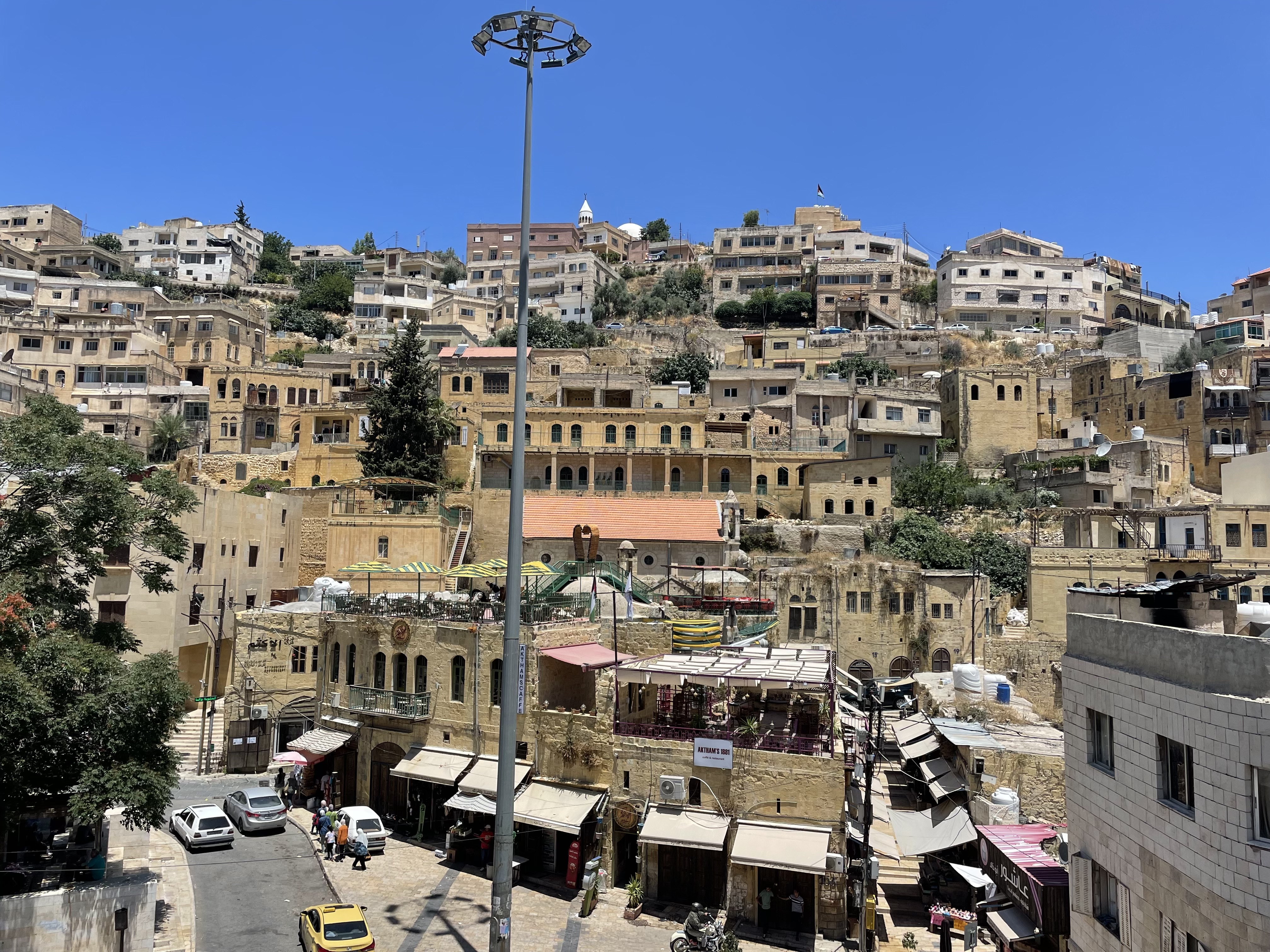
This is one of the reasons EAMENA’s climate work extends beyond the monuments themselves. At As-Salt, a World Heritage city in northern Jordan, the historic urban environment is closely connected to the agricultural landscape that surrounds it. Farmers are already having to respond to the changing environmental conditions, while heritage specialists are considering how those changes affect both the physical landscape and the traditional practices associated with it.
For Haifaa, this requires a deeper understanding of what heritage means. ‘Heritage is what a community decides to value and consider to be heritage,’ she says. That may include buildings and archaeological remains, but also knowledge, practices and the relationship between people and the places in which they live.
EAMENA and its partners have been developing assessment tools and policy recommendations that bring together evidence about climate risk, heritage and community experience. The aim is to give governments and local authorities a stronger foundation for deciding how important places and landscapes should be managed as their conditions change.
Haifaa takes this a step further. Heritage, she says, is not only vulnerable to climate change – it can also contribute to how societies respond to it. Places that have evolved over centuries, or even millennia, contain evidence of how people have interacted with water, agriculture and their environment over time. Protecting that knowledge therefore becomes a part of preparing for the future. The past cannot provide a ready-made answer to climate change, but it can offer evidence, experience and ways of thinking that might otherwise be overlooked.
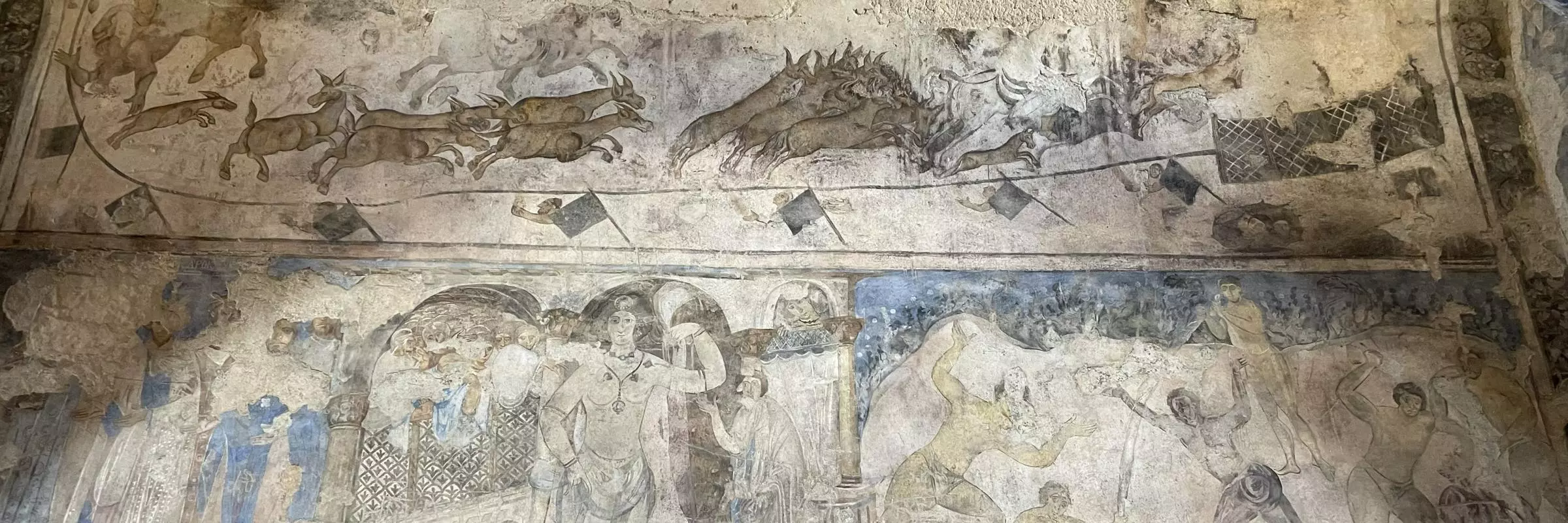
For a project built around heritage, EAMENA is also concerned about its own legacy.
Bill has seen firsthand how easily systems can falter without the people and infrastructure there to maintain them. A heritage database is not an archive that can simply be completed. New information is always being added as the software updates or staff members change. For EAMENA, long-term capacity has been as important as the original work of recording the sites.
The aim, he says, is to build a network in which heritage professionals can increasingly turn to one another, rather than UK institutions, for support. ‘We’re trying to write ourselves out of the equation to a great extent,’ he says, ‘and I think the success would be is if we can completely do that and things still keep going.’
There are already signs of this shift. Kristen says some of her strongest memories of the project come from training sessions where relationships formed and then developed into new collaborations. People she first worked with through EAMENA have gone on to adapt the methodologies and apply them in different contexts to build projects of their own.
In Jordan, Haifaa describes a similar evolution. What began as collaborative projects surrounding specific pieces of work have developed into an ongoing exchange of ideas with expertise moving in more than one direction. One of EAMENA’s Jordanian partners, Bill says, has since invited the Oxford team to support a project elsewhere in the Gulf, reversing the direction of the original relationship.
The movement of knowledge may well be one of EAMENA’s important legacies. Oxford can provide research expertise, technical infrastructure and a place where methods are developed and tested, but their value ultimately depends on what happens beyond the University: how this information is adapted by heritage professionals on the ground who are planning and developing policy, how they are shared with communities, and most importantly, how they are passed onto the next generation.
For Bill, archaeology matters because it provides more than a record of what has survived. It is, he says, ‘a really important way of understanding humanity and society and how we’ve got to where we are now.’
The project began by looking down from above, using satellite imagery to record archaeological landscapes that might one day disappear. More than a decade later, its work is also about what people choose to preserve, what knowledge is held within the landscape and how that landscape can be carried forward.
As Kristen puts it: ‘Ultimately, heritage is part of who we are as people.’